
Lessons in cultural understanding, trust, and community engagement

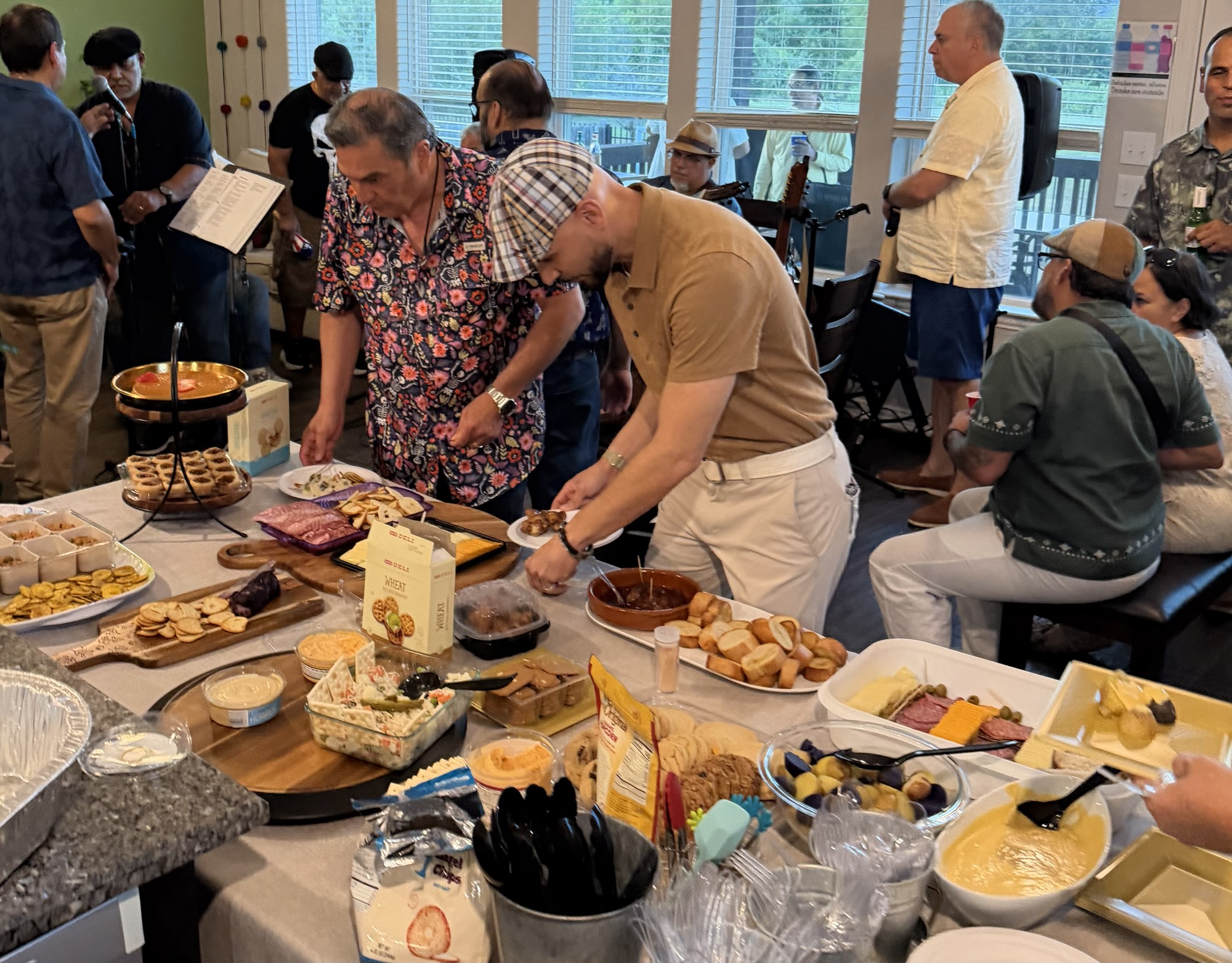
At a community event, an organization received some unexpected feedback: Next time, make sure there’s enough food for everyone.
It might sound like a minor logistical detail. But the community leader who offered the feedback was explaining something much more important.
For the Hispanic families attending that particular event, having enough food was part of feeling welcomed and respected.
The organization had wanted to communicate exactly that: We’re glad you’re here. You matter to us.
But the message hadn’t quite landed.
The executive later reflected on the difference between events where punch and cake might be perfectly acceptable and gatherings where offering a proper meal carried greater meaning. She even admitted that she had come to prefer the latter.
What I love about this story is that nobody needed to change the organization’s mission. They simply needed to understand how the people they were serving experienced its hospitality.
And that raises a question for any organization working with people from different backgrounds: Are we communicating respect in the way we understand it, or in a way the people we’re trying to reach can recognize?
That question travels far beyond a community event.
In Ethiopia’s Afar region, researchers tested a nutrition program delivered through traditional Dala community leaders. Instead of relying on information alone, the program included group conversations, cooking demonstrations, and home counseling. After six months, more families in the intervention group met measures of dietary diversity and meal frequency than those receiving usual care.
The study doesn’t tell us that trust alone caused the improvement; the program combined several approaches. But it does remind us that how information is shared, and through whom, matters.
A very different example comes from Senegal. A World Bank initiative is training land surveyors to discuss women’s and girls’ land rights with the families they visit. The training uses stories, role-playing, and practical conversations rather than assuming a policy will explain itself. Of 159 surveyors trained, 93% pledged to promote girls’ inclusion in their fieldwork.
That is encouraging, though the researchers are still evaluating whether those intentions translate into actual changes in land registration.
These situations differ in purpose, place, and scale. Yet each invites us to notice something easy to overlook: the meaning of a message is shaped by the relationship, the setting, and the person receiving it.
I think about a colleague who makes a point of including food and music when inviting Hispanic parents to school events. Not because every Hispanic family wants the same thing, but because she has listened to the families she hopes will come.
For leaders, educators, and organizations, the lesson is not to memorize a list of cultural preferences. It is to stay curious enough to ask, and humble enough to adjust.
Sometimes the difference between an invitation and a genuine welcome is as ordinary as a meal. And as profound as being heard.
Research & Sources
- Ali et al., Maternal & Child Nutrition (2026), Dala-led nutrition communication trial in Ethiopia
- World Bank (October 2026), Early insights from Senegal on women’s land rights
Leave a Reply